How to Achieve PPB-Level Purity in Semiconductor Precursor Production: A Guide to Advanced Reacting-Crystallizing-Filtering-Drying Technology
The Unseen Battle for Purity: Why Semiconductor Precursors Demand Extreme Precision
The global race for semiconductor supremacy hinges not just on chip design but on the foundational materials that make them possible. At the heart of advanced chip manufacturing lie semiconductor precursors—ultra-pure chemical compounds used to deposit thin films on silicon wafers. As nodes shrink to 3nm and beyond, impurity levels that were once measured in parts per million (PPM) are now unacceptable. The new benchmark is parts per billion (PPB), where even the most minute contamination can cause catastrophic device failure, reducing yield and compromising performance.
This relentless drive for purity places immense pressure on the production equipment responsible for synthesizing and isolating these critical materials. Traditional batch processes, involving separate reactors, filters, and dryers, introduce multiple points of potential contamination, material loss, and solvent exposure. For manufacturers of High-Nickel Ternary Cathode Precursors (NCM Precursors), Lithium Carbonate (Li₂CO₃), and other advanced electronic chemicals, achieving and maintaining PPB-level purity is the defining challenge of our time.
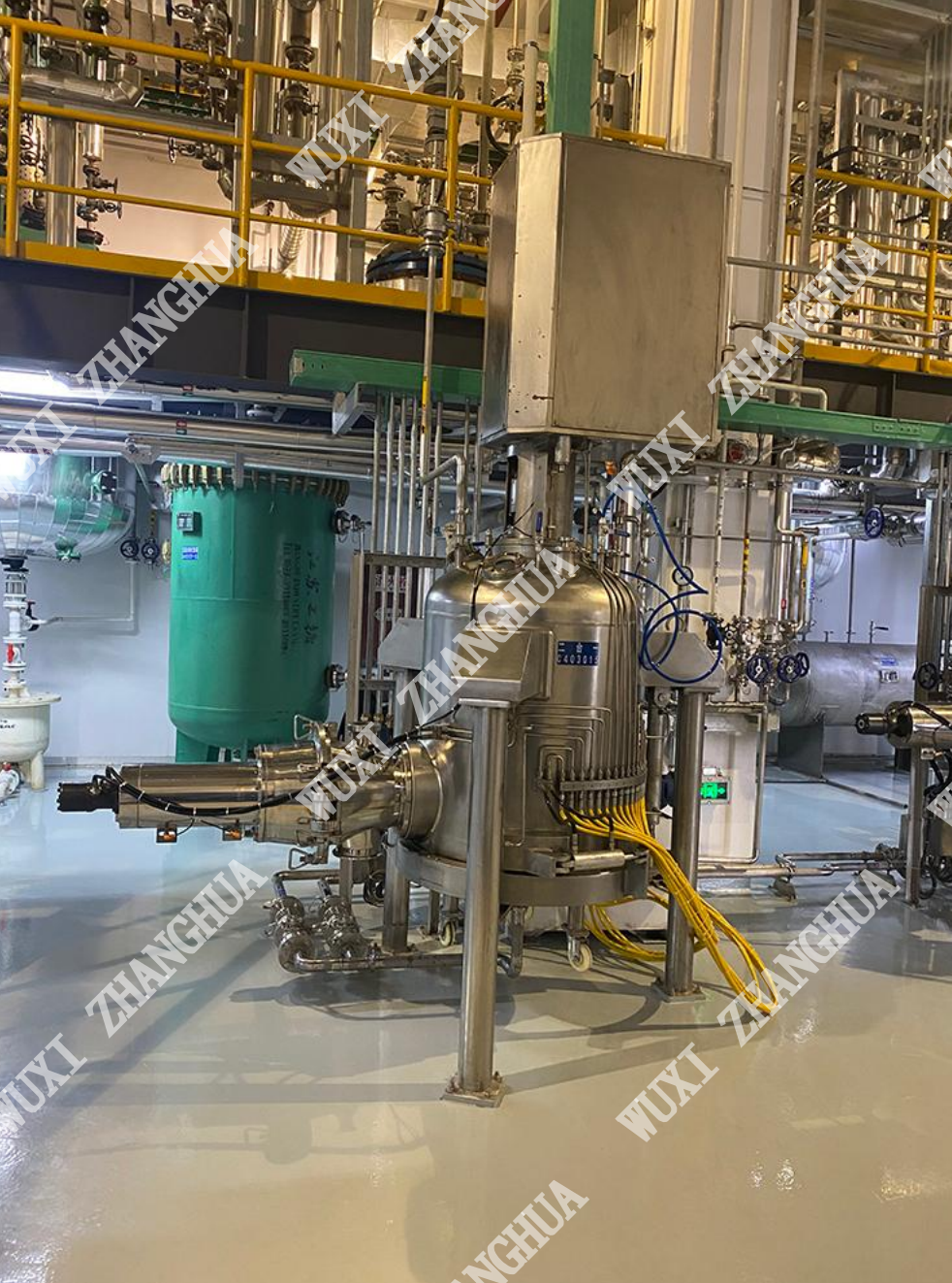
Figure 1: An integrated Reacting-Crystallizing-Filtering-Drying system provides a closed environment essential for PPB-level purity in semiconductor precursor manufacturing.
The Core Challenge: Contamination in Traditional Multi-Vessel Processes
Conventional production of semiconductor precursors follows a fragmented path:
- Synthesis & Crystallization: Occurs in a reactor or crystallizer.
- Solid-Liquid Separation: The slurry is transferred to a filter press or centrifuge.
- Washing: The wet cake is moved to a separate vessel for impurity removal.
- Drying: The cake is finally loaded into a Vacuum Tray Dryer, Double Cone Dryer, or Paddle Dryer.
Each transfer between vessels is a vulnerability. It exposes the sensitive material to atmospheric oxygen and moisture, risks cross-contamination from cleaning residues, and can cause physical degradation of crystal structures. For corrosive materials like those used in etching or for toxic/stimulating material handling, these open transfers also pose significant safety and environmental health (EHS) risks. The result is a process inherently limited to PPM-level impurity control, struggling to meet the demands of next-generation fabs.
The Integrated Solution: A Step-by-Step Guide to PPB-Level Production
The technological leap from PPM to PPB is enabled by moving from a multi-vessel series to a single-vessel, multi-functional integrated process. Companies like Wuxi Zhanghua Pharm & Chem Equipment Co., Ltd., with nearly 50 years of expertise, have pioneered this shift with their advanced Reacting-Crystallizing-Filtering-Drying machines. Here is a detailed guide to how this integrated approach achieves unprecedented purity.
Step 1: Closed-Loop Synthesis and Dynamic Crystallization
The process begins within a fully sealed vessel that functions as both a reactor and a crystallizer. For semiconductor precursors, precise control over crystal size, shape, and polymorph is critical. The integrated system uses a rotatable double-cone or single-cone design with a precision temperature-controlled jacket.
- Key Action: Implement slow rotation during the crystallization phase. This gentle tumbling action, superior to static methods, ensures uniform temperature and concentration gradients, leading to consistent crystal growth and minimizing the inclusion of impurities within the crystal lattice.
- Pro Tip: Integrate Process Analytical Technology (PAT) tools like online Raman spectroscopy or Focused Beam Reflectance Measurement (FBRM) to monitor crystal size distribution in real-time and determine the crystallization endpoint intelligently.
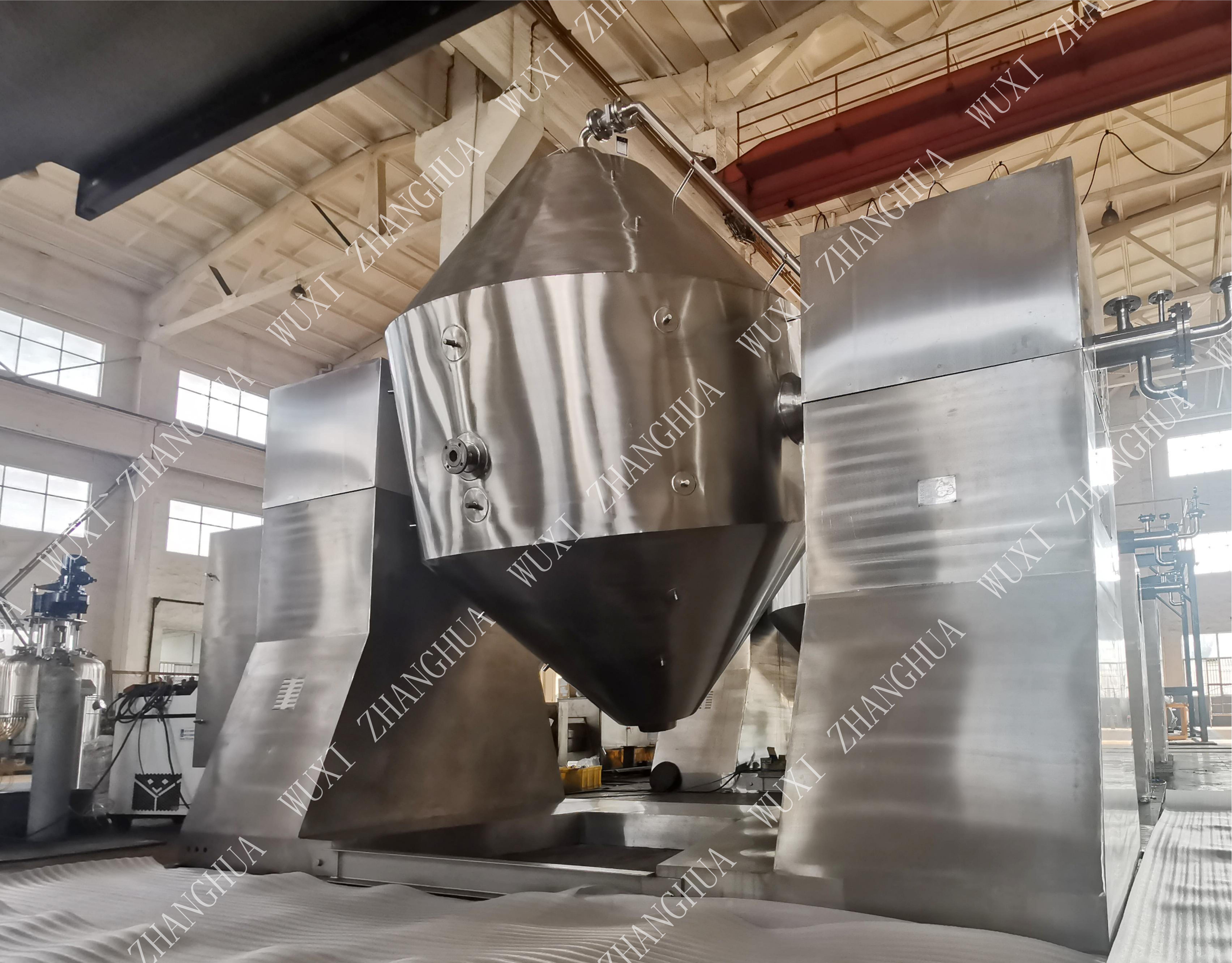
Figure 2: A modern crystallizer designed for the precise control required in semiconductor precursor synthesis.
Step 2: In-Situ Filtration and Multi-Stage Counter-Current Washing
Once crystallization is complete, the slurry is ready for separation—without leaving the vessel. The bottom of the integrated unit is equipped with a sintered metal filter.
- Key Action: Initiate pressure or vacuum-driven filtration. The mother liquor, containing soluble impurities and by-products, is removed. Then, begin the closed-loop washing cycle.
- Critical Technique – Counter-Current Washing: Instead of a single batch wash, program the system for multi-stage counter-current washing. Fresh, ultra-pure solvent (e.g., deionized water, specific alcohols) is introduced via spray balls. It percolates through the filter cake, displacing impurities, and is recovered. This method uses up to 60% less solvent than traditional immersion washing while achieving far superior purity. For corrosive products or HPAPI contained drying processes, this all occurs under an inert nitrogen atmosphere.
Step 3: Gas-Pressurized Dewatering and Solvent Displacement
After washing, residual solvent remains in the cake pores. Removing this efficiently is key to reducing downstream drying energy and time.
- Key Action: Introduce hot, dry, high-purity nitrogen or another inert gas from above the cake, applying gentle pressure. This "blow-drying" or "gas-pressing" step physically displaces the bulk of the residual wash solvent.
- Advanced Control: Monitor the conductivity or composition of the effluent gas. When the detected impurity level falls to a pre-set PPB threshold, the system automatically proceeds to the next step.
Step 4: Gentle, Vacuum-Aided In-Situ Drying to Final Specification
The final and most critical step for moisture- and solvent-sensitive semiconductor precursors like NCM cathode precursors or Lithium Borohydride.
- Key Action: Engage the vessel's vacuum system (typically an oil-free screw vacuum pump) and apply controlled jacket heating. The combination of low pressure (e.g., <10 mbar) and precise temperature control allows for the gentle removal of the last traces of solvent at temperatures far below their normal boiling point. This is crucial for heat-sensitive material drying to prevent decomposition or crystal form change.
- Anti-Caking Program: For materials prone to agglomeration, the control system executes an intermittent "high-speed reversal" program of the internal agitator, breaking up lumps and ensuring uniform drying.
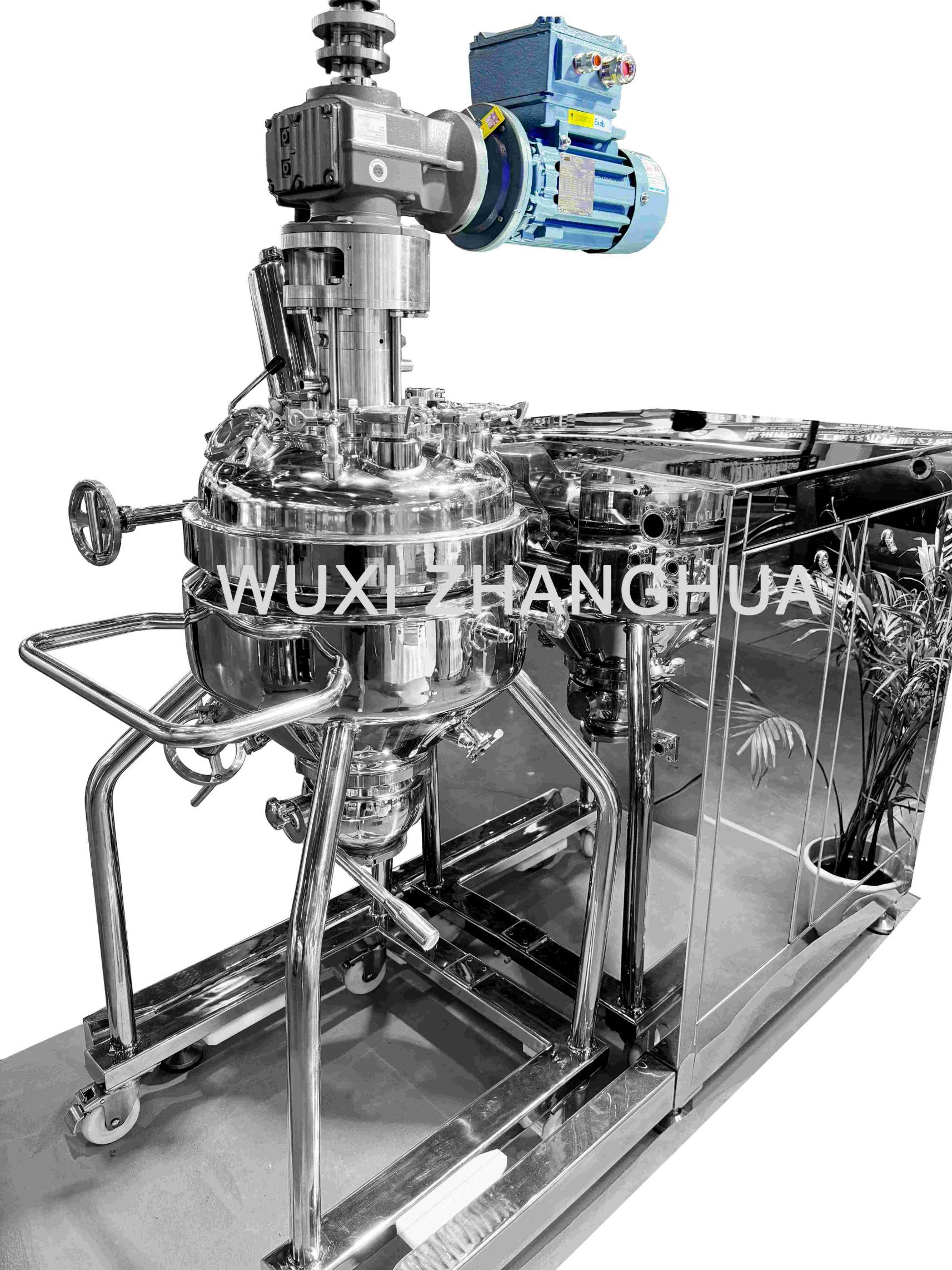
Figure 3: A Conical Vacuum Dryer, part of an integrated system, enables gentle, low-temperature drying critical for sensitive materials.
Step 5: Closed and Contained Discharge
The journey to PPB purity is wasted if the final product is contaminated during discharge.
- Key Action: Use a fully automated discharge system. The dried powder is discharged directly from the vessel's large-diameter sector valve into a pre-purged intermediate bulk container (IBC) or packaging line, all under negative pressure or nitrogen protection. This achieves true "zero exposure" from feed to final product.
Case in Point: Wuxi Zhanghua's Proven Application in Critical Industries
Wuxi Zhanghua Pharm & Chem Equipment Co., Ltd. (founded 1976) has deployed its Agitated Nutsche Filter Dryer (ANFD) and multifunctional Reacting-Crystallizing-Filtering-Drying solutions across the globe. Their equipment's ability to achieve PPB-level control is not theoretical but proven in demanding applications:
- High-Purity Fluoride Salts & LiPF₆: In lithium-ion battery electrolyte production, their RFD integrated systems have demonstrated the ability to reduce residual HF content from over 100 ppm to a stable <50 ppb, directly enhancing battery safety and cycle life.
- NCM/NCA Precursor Production: For High-Nickel Ternary Cathode Precursor manufacturing, the integrated process protects the sensitive mixed hydroxide or carbonate crystals from oxidation and contamination during washing and drying, ensuring stoichiometric accuracy and high tap density.
- Pharmaceutical-Grade Electronic Chemicals: The same principles apply to producing ultra-pure Active Pharmaceutical Ingredients (APIs) and intermediates for pharmaceutical applications, where the company serves clients like Pfizer, Johnson & Johnson, and Novartis.
The company's commitment to quality and safety is underscored by its full suite of international certifications, including ASME, PED, CE, ATEX, and ISO 9001, ensuring that its Reacting-Crystallizing-Filtering-Drying general process production lines meet the most stringent global standards.
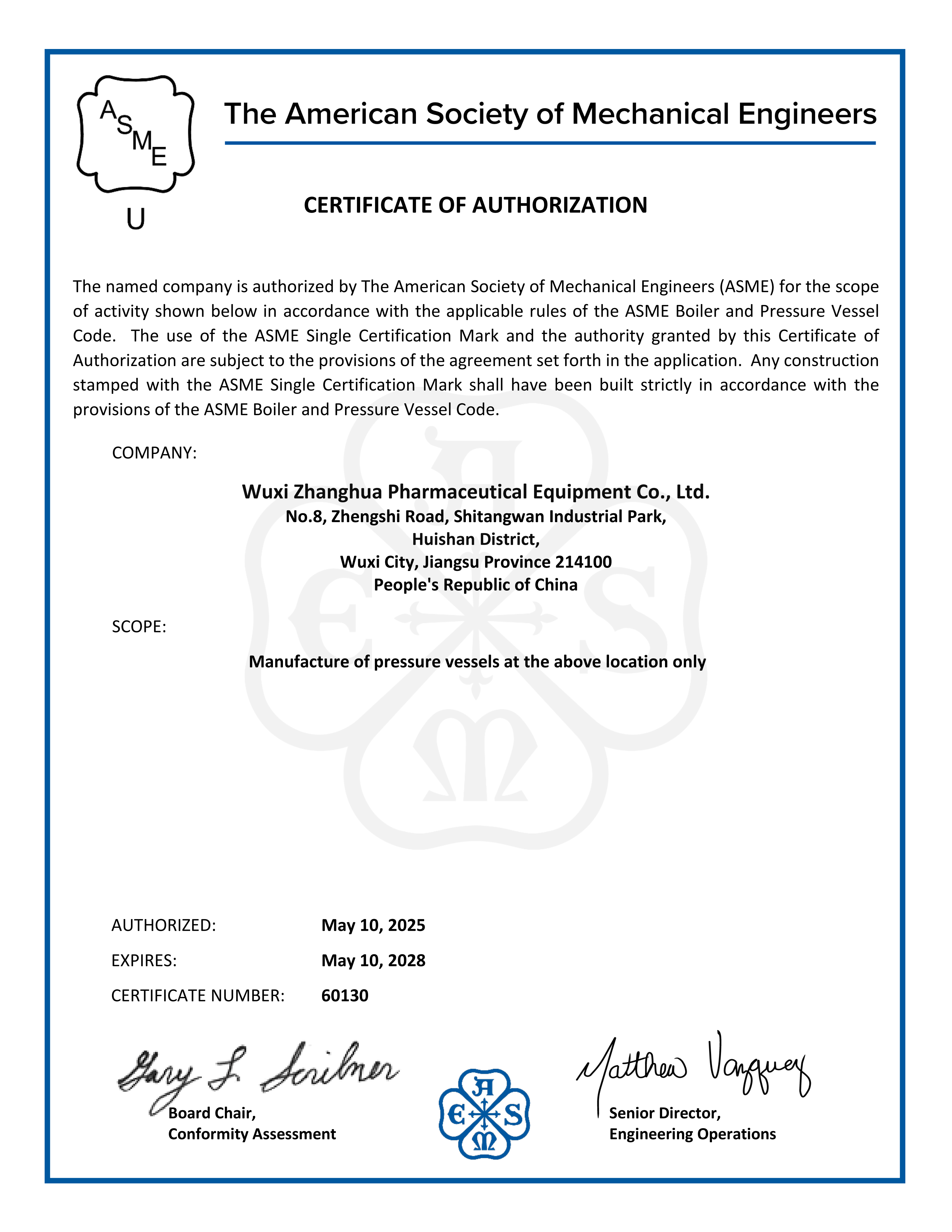
Figure 4: Wuxi Zhanghua's ASME certification demonstrates compliance with rigorous international pressure equipment standards.
Conclusion: Embracing Integration for Competitive Advantage
The path to dominating the high-value semiconductor precursors market is paved with purity. Moving from traditional, open batch processes to a fully integrated, closed, and automated Reacting-Crystallizing-Filtering-Drying workflow is no longer an option but a necessity for manufacturers aiming at the 2nm node and beyond.
This guide outlines the actionable steps—from dynamic crystallization to contained discharge—that define modern high-purity production. By adopting integrated solutions from experienced partners like Wuxi Zhanghua, chemical manufacturers can overcome the limitations of legacy equipment, achieve PPB-level impurity control, ensure operator safety, reduce solvent waste, and ultimately produce the flawless materials upon which the future of technology depends.
For more detailed technical specifications or to discuss a Reacting-Crystallizing-Filtering-Drying pilot production line for your specific material, visit Wuxi Zhanghua's website at https://www.zhanghua1976.com.
Have Questions or Need More Details?
Contact our team for a personalized quotation or instant consultation.
Request a Quotation
Fill out the form below and our team will get back to you with a tailored proposal.
WhatsApp Direct Chat
Prefer to chat in real-time? Message us on WhatsApp for instant assistance & quick answers.
- Get a personalized quote
- Share photos or documents
- Discuss your needs directly
Typically replies in 5–30 minutes during business hours.