How to Achieve PPB-Level Residual Control in Semiconductor Precursor Production with Integrated Reacting-Crystallizing-Filtering-Drying Machines
The Unseen Battle for Purity: Why PPB-Level Control is Non-Negotiable for Semiconductor Precursors
The relentless drive towards smaller, more powerful, and energy-efficient semiconductor devices has placed unprecedented demands on the purity of their building blocks. Semiconductor precursors, the specialized chemicals used to deposit thin films on silicon wafers, are at the heart of this revolution. Even trace impurities at the parts-per-billion (PPB) level can introduce defects, alter electrical properties, and catastrophically reduce chip yields. For manufacturers, achieving and maintaining this extreme purity is not just a technical goal; it's an economic imperative and a significant engineering challenge.
Traditional batch processing, where materials are transferred between separate reactors, crystallizers, filters, and dryers, inherently creates opportunities for contamination, oxidation, and solvent retention. Each transfer point is a potential breach where moisture, oxygen, or particulates can infiltrate, and where volatile residuals like chlorides or fluorides can escape. This multi-vessel approach often struggles to consistently achieve purity beyond the parts-per-million (PPM) range, creating a bottleneck for next-generation semiconductor manufacturing.
This article explores a transformative solution: the integrated, closed-loop Reacting-Crystallizing-Filtering-Drying machine. We will detail a step-by-step methodology on how this technology, particularly as engineered by leaders like Wuxi Zhanghua Pharm & Chem Equipment Co., Ltd., enables a quantum leap in process control, allowing for the reliable production of semiconductor precursors with PPB-level impurity control.
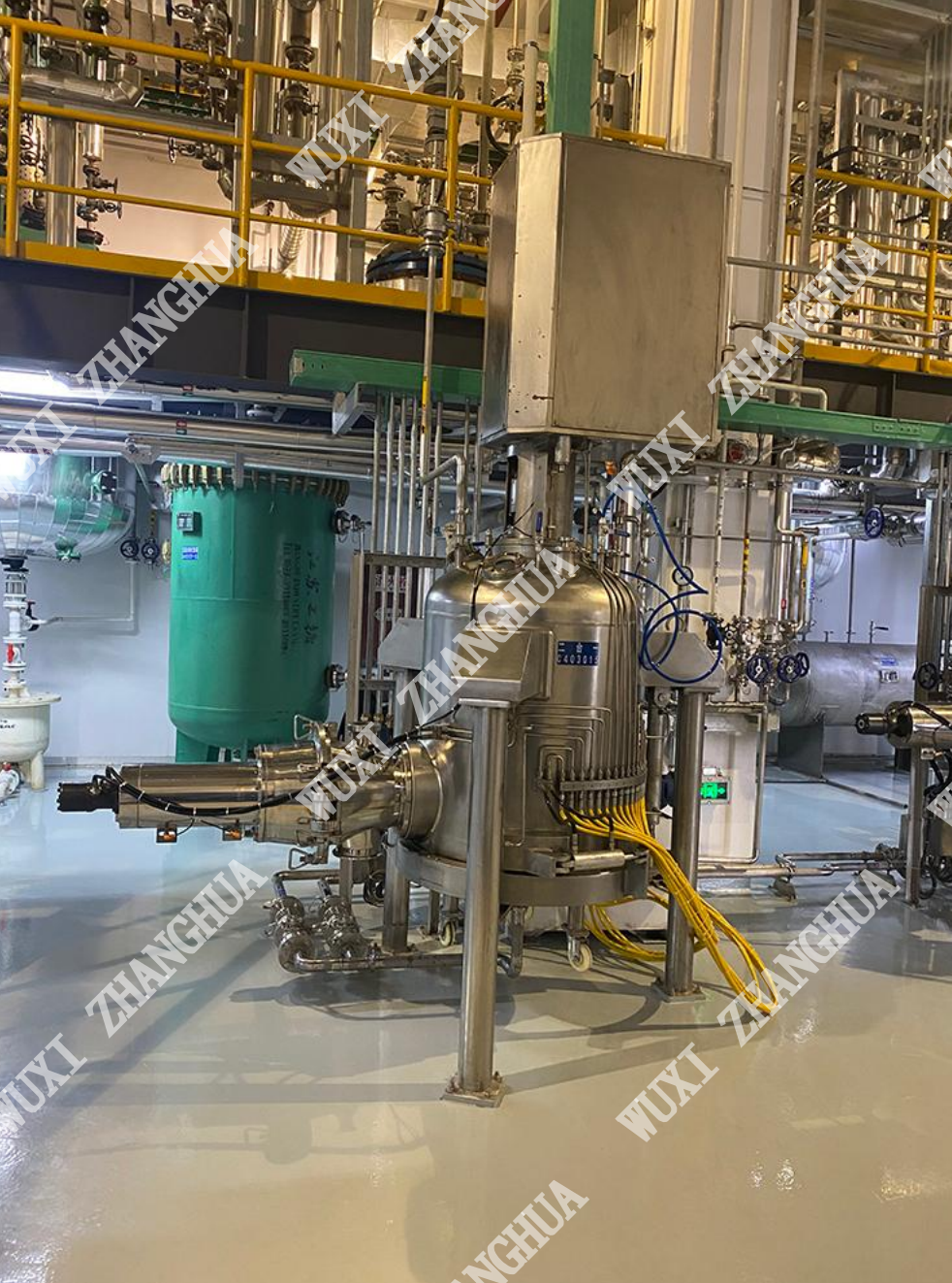
Figure 1: Schematic of a modern integrated Reacting-Crystallizing-Filtering-Drying production line, showcasing the closed-loop process flow essential for ultra-high-purity output.
Step-by-Step Guide: Implementing an Integrated RCFD Line for PPB Purity
The journey to PPB-level purity is a systematic one, reliant on equipment designed for containment, precision, and seamless operation. Here is a practical guide based on advanced engineering principles.
Step 1: Synthesis and Crystallization in a Contained Environment
Action: Initiate the precursor synthesis reaction within the same vessel that will perform subsequent purification. For instance, the production of a High-Nickel Ternary Cathode Precursor (NCM Precursor) involves the co-precipitation of nickel, cobalt, and manganese salts.
How the Integrated Machine Excels: A multifunctional Reacting-Crystallizing-Filtering-Drying machine, such as a Double Cone or an Agitated Nutsche Filter Dryer (ANFD) system, acts first as a precision reactor and crystallizer. The vessel's jacketed system provides exact temperature control for the crystallization process. The slow, tumbling or agitated motion ensures uniform supersaturation, leading to consistent crystal size and morphology—a critical factor for downstream battery performance. Crucially, this all happens in a fully sealed vessel, often under inert nitrogen atmosphere, preventing any ingress of contaminants from the very beginning.
Step 2: In-Situ Filtration and Multi-Stage Counter-Current Washing
Action: Upon completion of crystallization, separate the high-purity crystals from the mother liquor without exposing them to the environment.
How the Integrated Machine Excels: This is where the "Filter" function activates. Instead of pumping the slurry to a separate filter press or centrifuge, the bottom filter plate of the ANFD is engaged. By applying a slight gas pressure differential, the mother liquor is driven through the filter, leaving a uniform filter cake of precursor crystals. The true magic for PPB purity lies in the next phase: in-situ washing.
- Dynamic Washing: High-purity solvent (e.g., deionized water, specific alcohols) is introduced through spray balls, uniformly soaking the cake. The agitator can gently mix to ensure every particle surface is contacted.
- Counter-Current Logic: For extreme purity, a programmed counter-current wash is used. Fresh solvent is applied to the final wash stage, and the effluent from this stage becomes the wash for the previous one, maximizing impurity removal while minimizing solvent volume. This is vital for removing residual ions (e.g., Na⁺, Cl⁻, SO₄²⁻) from NCM cathode precursors or lithium salts from Lithium Carbonate processing.
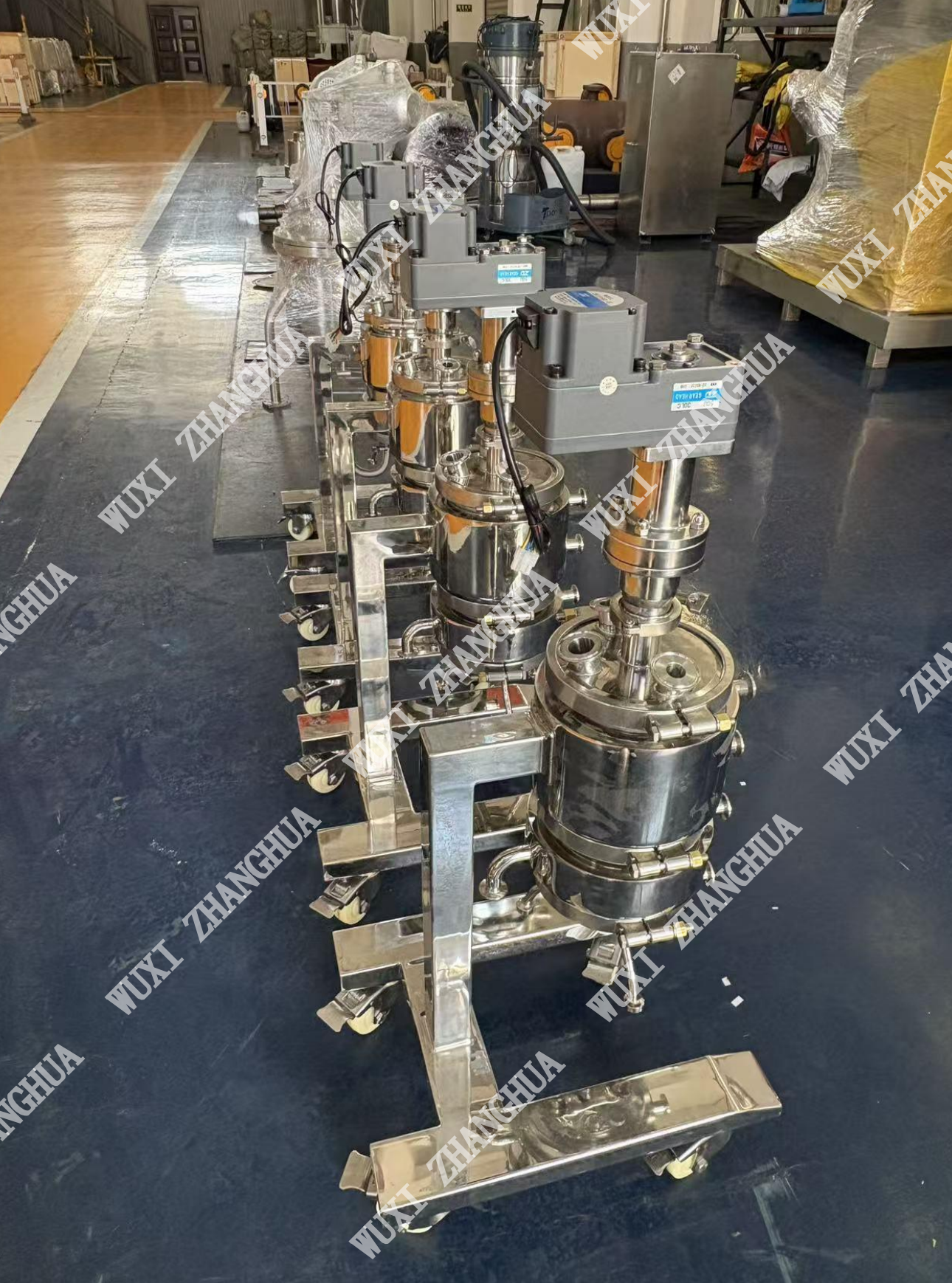
Figure 2: An Agitated Nutsche Filter Dryer (ANFD), a core component for in-situ filtration and high-efficiency washing in a closed system.
Step 3: Solvent Removal and "Hot Gas" Through-Drying
Action: Remove the washing solvent from the filter cake to the lowest possible level before final drying.
How the Integrated Machine Excels: After washing, the system can perform a "blow-dry" or "squeeze-dry" function. Hot, ultra-pure nitrogen or another inert gas is passed through the cake. This displaces interstitial solvent and begins the evaporation process. The agitator can smooth or even gently lift and break the cake to ensure even gas passage. This step dramatically reduces the solvent load for the final drying stage, which is key to preventing re-dissolution or impurity migration.
Step 4: Low-Temperature Vacuum Drying to PPB Residuals
Action: Gently and completely dry the precursor crystals to a free-flowing powder with non-detectable solvent residuals.
How the Integrated Machine Excels: The vessel now seamlessly transitions into a highly efficient dryer—be it a Conical Vacuum Dryer, Paddle Dryer, or continuing in ANFD mode. A high-performance oil-free screw vacuum pump pulls a deep vacuum (often below 10 Pa), significantly lowering the boiling point of any residual solvent. Combined with precise jacket heating, this allows for gentle, low-temperature drying that protects heat-sensitive crystal structures. The continuous slow mixing ensures uniform heat transfer and prevents localized overheating or caking. For materials like certain semiconductor precursors or Lithium Borohydride, this gentle, contained drying is essential to prevent decomposition or oxidation.
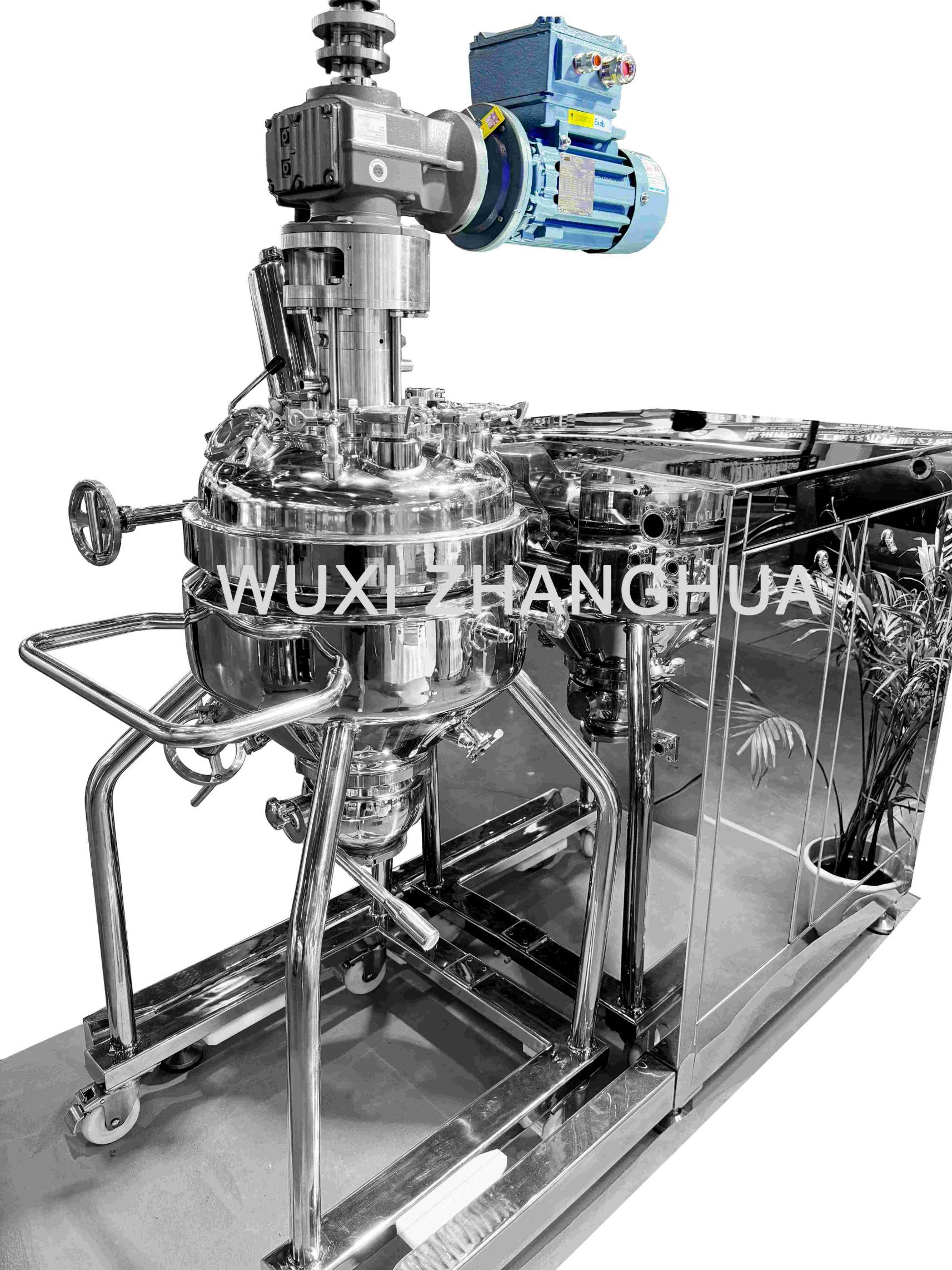
Figure 3: A Conical Vacuum Dryer, ideal for the gentle, final drying of heat-sensitive and high-purity materials under deep vacuum.
Step 5: Closed System Discharge and Packaging
Action: Unload the finished, ultra-pure powder without exposing it to ambient atmosphere.
How the Integrated Machine Excels: Advanced integrated systems feature automated, contained discharge. The dried powder is discharged directly into intermediate bulk containers (IBCs) or drums through a sealed valve system, often under inert gas protection. This final step completes the "zero-exposure" journey from raw materials to packaged product, locking in the PPB-level purity achieved in the previous steps.
The Wuxi Zhanghua Advantage: Engineering for the Extreme
Translating this theoretical process into reliable, day-in-day-out production requires equipment built to exceptional standards. Wuxi Zhanghua Pharm & Chem Equipment Co., Ltd., with nearly 50 years of specialization, provides the engineered backbone for this methodology.
- Containment & Certification: Their Agitated Nutsche Filter Dryers are designed for high containment, with helium leak test standards below 1x10⁻⁹ mbar·L/s. They hold critical international certifications like ASME, PED CE, and ATEX, providing a compliance foundation for global semiconductor supply chains.
- Material Integrity: For corrosive precursors, equipment is fabricated from high-grade 316L stainless steel, Hastelloy, or with specialized linings. This ensures the vessel itself does not become a source of metallic impurities.
- Process Intelligence: Their skid-mounted Reacting-Crystallizing-Filtering-Drying production systems come with sophisticated PLC/SCADA control. This allows for recipe-driven automation of the entire multi-step process, ensuring batch-to-batch consistency and providing complete electronic batch records for traceability.
- Proven Applications: Zhanghua's technology is already applied in analogous high-purity fields, such as the production of Lithium Hexafluorophosphate (LiPF₆) for electrolytes and the purification of electronic-grade chemicals, where controlling residual HF or moisture to PPB levels is equally critical.

Figure 4: A skid-mounted Reacting-Crystallizing-Filtering-Drying production system, offering a pre-validated, compact solution for high-purity manufacturing.
Conclusion: From Challenge to Competitive Edge
Achieving PPB-level purity in semiconductor precursor manufacturing is a formidable challenge that traditional unit operation approaches cannot reliably meet. The integrated Reacting-Crystallizing-Filtering-Drying machine presents a paradigm-shifting solution. By consolidating multiple critical steps into a single, smart, and hermetically sealed environment, it eliminates the primary sources of contamination and loss.
The step-by-step methodology outlined—encompassing contained synthesis, in-situ washing, and gentle vacuum drying—provides a clear engineering roadmap. Partnering with an experienced equipment provider like Wuxi Zhanghua, which brings robust engineering, international certifications, and a deep understanding of contamination control, turns this roadmap into a operational reality. For forward-thinking manufacturers, investing in such integrated technology is not merely an equipment upgrade; it is a strategic move to secure a position at the forefront of the high-purity materials market, enabling the next generation of semiconductor innovation.
Have Questions or Need More Details?
Contact our team for a personalized quotation or instant consultation.
Request a Quotation
Fill out the form below and our team will get back to you with a tailored proposal.
WhatsApp Direct Chat
Prefer to chat in real-time? Message us on WhatsApp for instant assistance & quick answers.
- Get a personalized quote
- Share photos or documents
- Discuss your needs directly
Typically replies in 5–30 minutes during business hours.