How to Achieve PPB-Level Residual Control in Semiconductor Precursor Production: A Guide to Advanced Reacting-Crystallizing-Filtering-Drying Technology
The Unseen Battle for Purity: Why PPB-Level Control is Non-Negotiable
In the high-stakes world of semiconductor manufacturing, the quality of precursors like High-Nickel Ternary Cathode Precursor (NCM Precursor) directly dictates the performance, yield, and longevity of the final chips. Contaminants at even parts-per-million (PPM) levels can cause catastrophic defects. The industry's relentless push towards smaller nodes (3nm, 2nm and beyond) has now made parts-per-billion (PPB) control not just an aspiration, but a fundamental requirement. For manufacturers of semiconductor precursors Reacting-Crystallizing-Filtering-Drying machines, this presents an extreme engineering challenge, especially when handling corrosive or toxic intermediates.
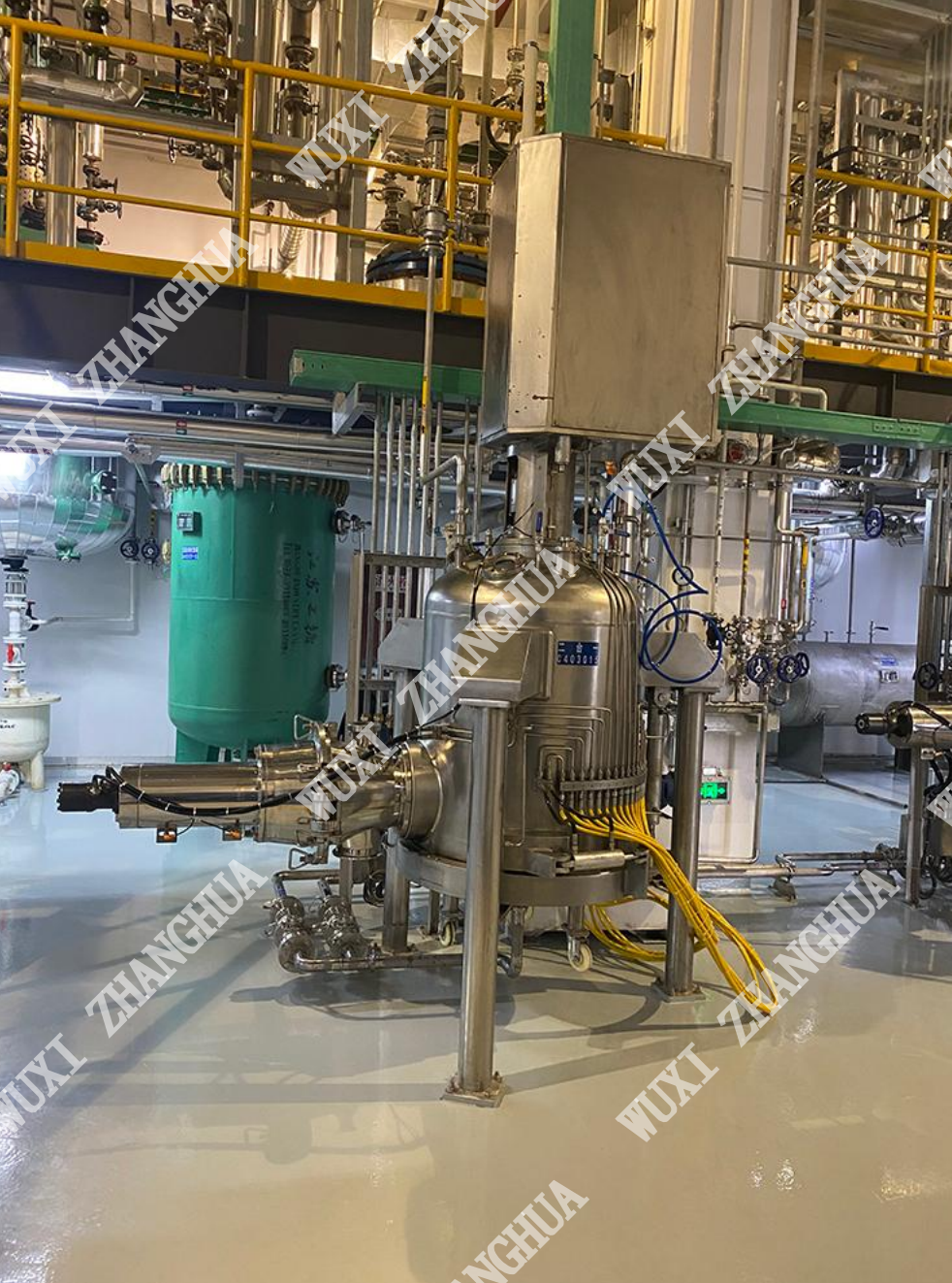
Traditional batch processes, where materials are transferred between separate reactors, crystallizers, Nutsche Filters, and Vacuum Dryers, are inherently flawed for this task. Each transfer is a potential entry point for atmospheric contamination, moisture, oxygen, and, crucially, a moment where volatile residuals like trace hydrofluoric acid (HF) or solvents can escape or be reintroduced. Achieving consistent PPB-level purity across batches in such an open-loop system is virtually impossible.
This guide, drawing on the proven methodologies of industry leader Wuxi Zhanghua Pharm & Chem Equipment Co., Ltd., outlines a step-by-step approach to conquering this challenge through integrated, intelligent, and enclosed processing technology.
Step 1: Architect a Fully Enclosed Process Chain
The foundation of PPB-level control is the complete elimination of material exposure. The goal is a "zero-transfer" process from raw materials to dry powder.
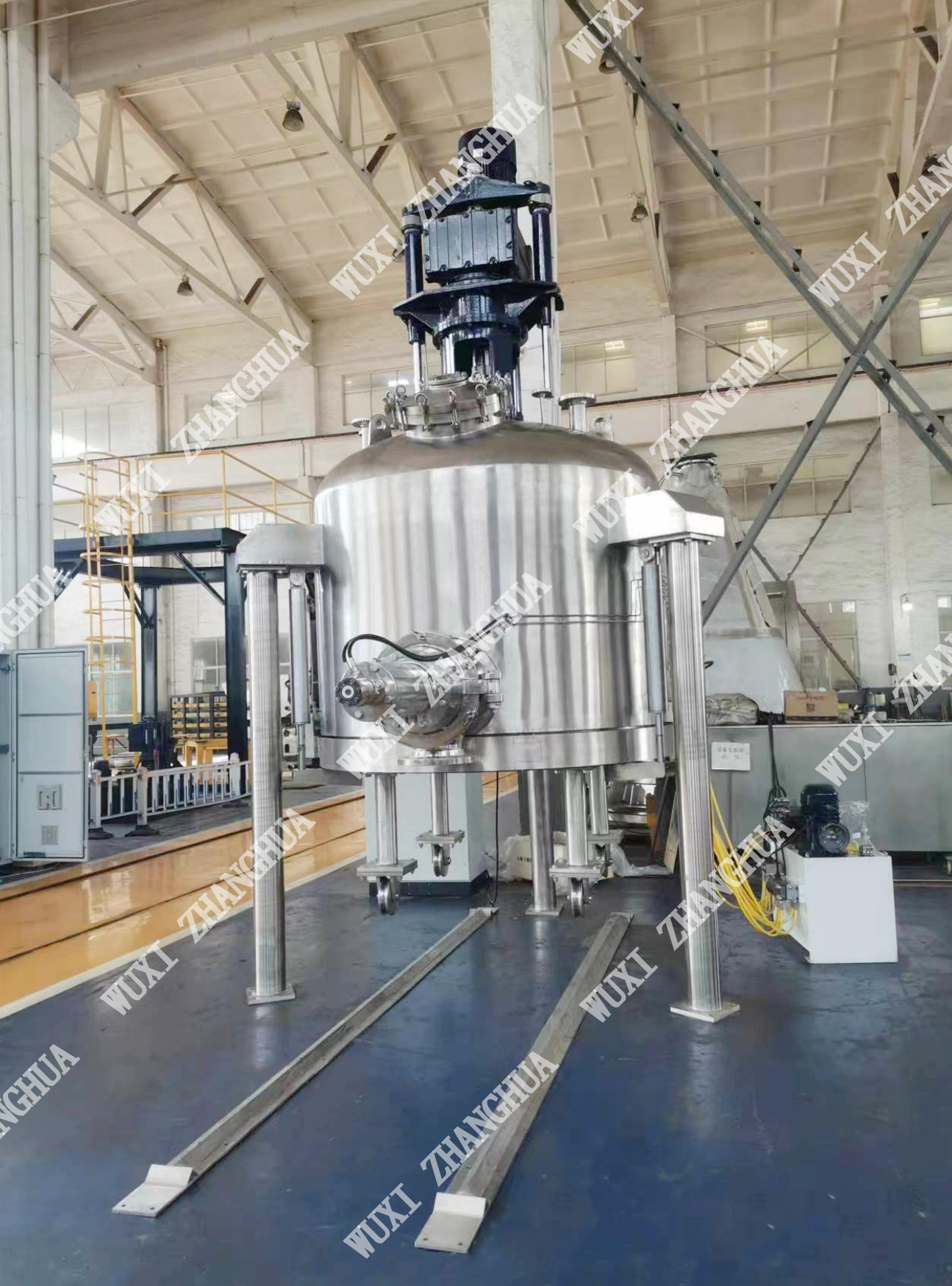
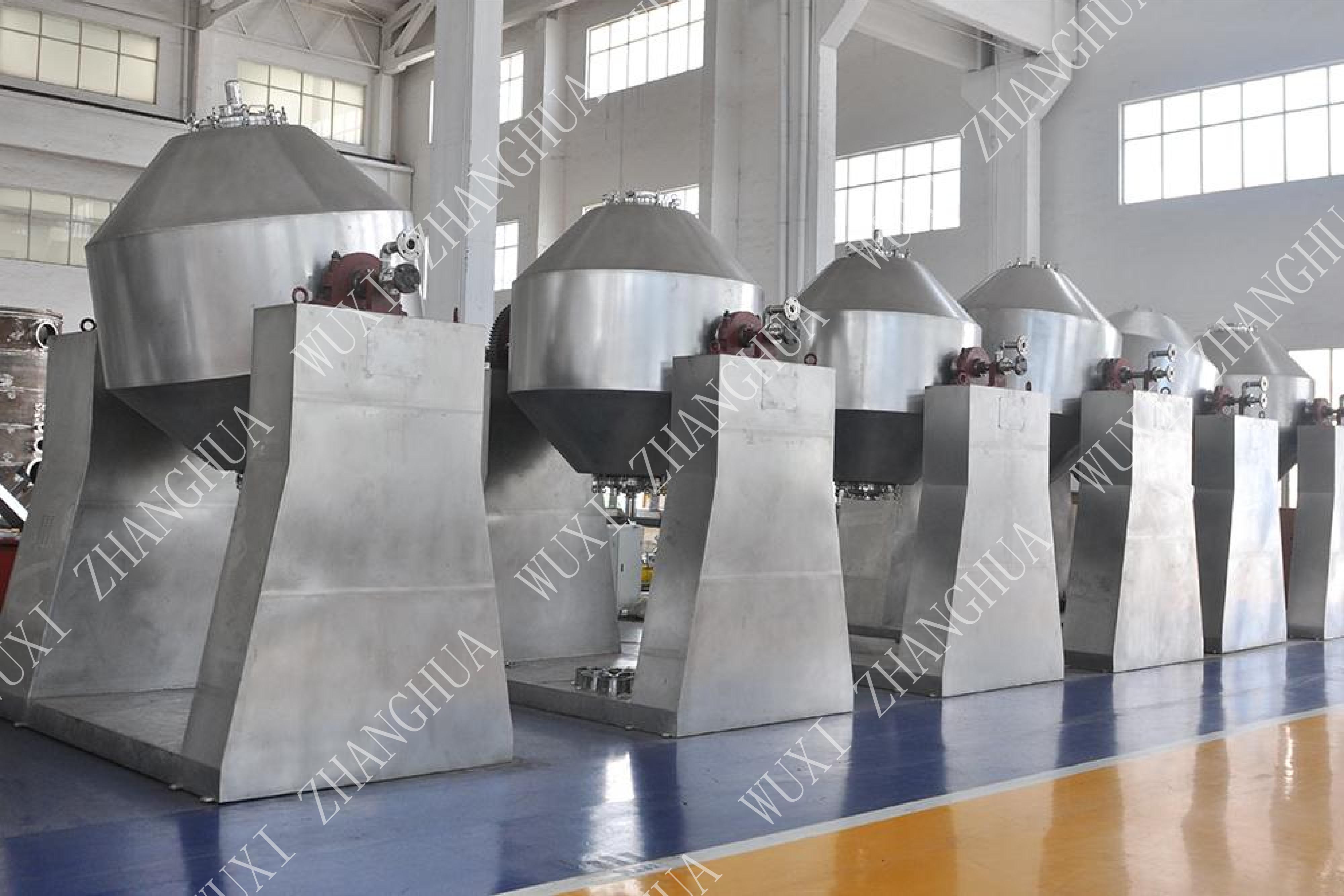
- Core Equipment Selection: Move away from equipment trains. Implement a multifunctional Reacting-Crystallizing-Filtering-Drying machine. For high-value, sensitive materials like NCM cathode precursors or Lithium Borohydride, an Agitated Nutsche Filter Dryer (ANFD) or a specialized Double Cone Multifunctional Integrated System is ideal. These units consolidate reaction, crystallization, filtration, washing, and drying into a single, sealable vessel.
- Sealing and Atmosphere Control: The equipment must feature high-integrity seals (metal bellows seals, lip seals) validated by Helium leak testing to rates below 1×10⁻⁹ mbar·L/s. All operations should be performable under an inert gas blanket (Nitrogen, Argon). This is critical for Corrosive Products Drying and Toxic/Stimulating Material Drying to prevent oxidation and hydrolysis.
- Closed Utility Integration: Solvent and wash liquid (e.g., ultrapure water for semiconductor precursors) addition and recovery must occur via sealed piping loops. Integrate a deep-cooling solvent recovery unit to trap and condense any volatilized residuals.
Step 2: Implement Intelligent, In-Situ Washing and Neutralization
Washing is where most residuals are removed. Efficiency here determines the final purity.
- Dynamic Counter-Current Washing: Utilize the integrated vessel's agitation system (paddles in an ANFD or tumbling in a Double Cone Dryer) to perform multi-stage counter-current washing. Program the system to inject fresh wash liquid, slurry the cake, re-filter, and repeat. This can improve washing efficiency by over 50% compared to static immersion, drastically reducing solvent volume and subsequent waste.
- Online Neutralization and Real-Time Monitoring: For acidic residuals like HF, introduce neutralizing agents (e.g., dilute KOH) directly into the wash cycle. The key is integrating Process Analytical Technology (PAT):
- Online Conductivity/PH Meters: Monitor the effluent wash liquid in real-time. Washing continues until conductivity drops to a pre-set PPB-correlated threshold (e.g., <0.1 μS/cm).
- Online Ion Chromatography (IC) or FTIR: For ultimate precision, use these probes to directly measure F⁻ or specific solvent concentrations, enabling closed-loop control.
- Hot Gas Purging (Blow-Drying): After washing, use high-purity, heated nitrogen or argon to purge through the filter cake. This physically displaces residual moisture and volatiles trapped in the cake pores, a critical step before the final drying phase.
Step 3: Execute Precision Drying with Gentle Heat and Vacuum
The final drying stage must remove trace solvents without degrading the product or causing agglomeration.
- Low-Temperature Vacuum Drying: Employ a high-efficiency oil-free screw vacuum pump to achieve deep vacuum (e.g., <10 Pa). This lowers the boiling point of residual solvents, allowing for gentle drying at temperatures as low as 30-50°C. This is essential for Heat-Sensitive Material Drying common in API wet cake vacuum drying and LiPF6 solvent removal.
- Adaptive Thermal Control: The jacket heating system (thermal oil or electric) should allow for precise ramping and control. For semiconductor precursors, a slow, controlled temperature ramp under vacuum prevents crystal structure damage and decomposition.
- Anti-Caking Agitation: Program the agitator to execute intermittent "reversal and pause" sequences during the initial drying phase to break up soft agglomerates, ensuring uniform drying and a free-flowing final powder.
Step 4: Leverage Data Integrity and Automated Control
PPB-level control cannot rely on manual operation. It requires a "brain."
- Recipe-Driven Automation: Use a PLC/SCADA system to create and execute complete recipes for "Reaction → Crystallization → Filtration → Washing → Drying." Every parameter—temperature, pressure, agitator speed, solvent addition rate—is controlled and recorded automatically.
- Compliance with 21 CFR Part 11: The system must feature electronic signatures, audit trails, and secure data storage. This ensures every batch's journey to PPB purity is fully traceable, a necessity for GMP production of Active Pharmaceutical Ingredients (API) and high-end chemicals.
- Predictive Analytics: Monitor equipment health (motor current, vibration, seal pressure) to predict maintenance needs, preventing unplanned downtime that could compromise validated processes.
Case in Point: Wuxi Zhanghua's Proven Solution
Wuxi Zhanghua Pharm & Chem Equipment Co., Ltd., with nearly 50 years of expertise, has turned this methodology into a reliable industrial reality. Their RFD (Reaction-Filtration-Drying) multi-functional integrated equipment is a benchmark for PPB-level processing.
Verified Result: In the purification of electronic-grade fluoride salts, using an integrated ANFD with online conductivity control, Wuxi Zhanghua has demonstrated the ability to stabilize HF residue in the final product at 1-5 PPB, a leap from the traditional 10-50 PPM range. This is achieved through the seamless integration described above.
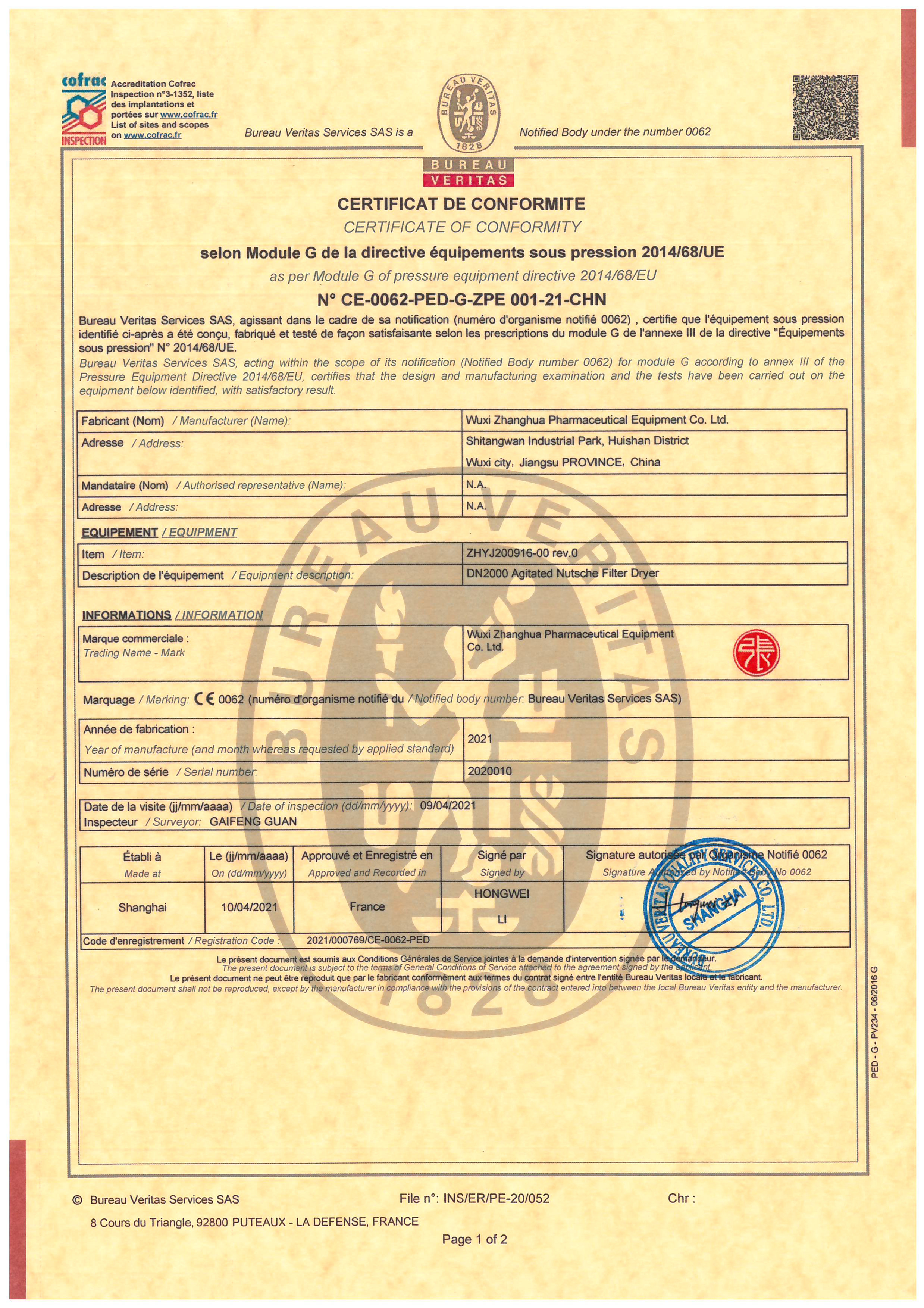
Their equipment's design is backed by top-tier certifications crucial for global supply chains: ASME, PED CE, ATEX for explosion-proof requirements, and ISO 9001 for quality management. These are not just certificates; they are testaments to a design philosophy centered on safety, containment, and precision.
Conclusion: From Challenge to Competitive Advantage
Achieving PPB-level residual control in semiconductor precursors Reacting-Crystallizing-Filtering-Drying is no longer a distant goal. It is an achievable standard through integrated process design, intelligent control, and equipment engineered for absolute containment. For manufacturers, investing in such a Reacting-Crystallizing-Filtering-Drying general process production line is not merely a cost—it is a strategic upgrade. It enables entry into the most demanding markets (semiconductors, premium batteries, high-potency pharmaceuticals), ensures regulatory compliance, enhances operational safety, and, ultimately, transforms purity from a quality control metric into a powerful competitive advantage.
To explore how a tailored skid-mounted Reacting-Crystallizing-Filtering-Drying production system or a standalone Agitated Nutsche Filter Dryer can be configured for your specific semiconductor precursor or High-Nickel Ternary Cathode Precursor (NCM Precursor) process, contact the engineering team at Wuxi Zhanghua.
Wuxi Zhanghua Pharm & Chem Equipment Co., Ltd.
Website: https://www.zhanghua1976.com/
Legacy: Pioneering integrated reaction, crystallization, filtration, and drying solutions since 1976.
Have Questions or Need More Details?
Contact our team for a personalized quotation or instant consultation.
Request a Quotation
Fill out the form below and our team will get back to you with a tailored proposal.
WhatsApp Direct Chat
Prefer to chat in real-time? Message us on WhatsApp for instant assistance & quick answers.
- Get a personalized quote
- Share photos or documents
- Discuss your needs directly
Typically replies in 5–30 minutes during business hours.