Introduction: The Critical Role of RCFD Equipment in Modern Manufacturing
The selection of core process equipment is a strategic decision that directly impacts product quality, operational safety, and production economics. For high-value, sensitive, or hazardous materials in pharmaceuticals, fine chemicals, and new energy sectors, Reacting-Crystallizing-Filtering-Drying (RCFD) equipment is not just a tool but the backbone of the production line. A poor supplier choice can lead to batch failures, safety incidents, and costly downtime. This guide provides a structured framework for procurement professionals to identify and evaluate qualified RCFD equipment manufacturers, ensuring a partnership that delivers long-term value and process reliability.
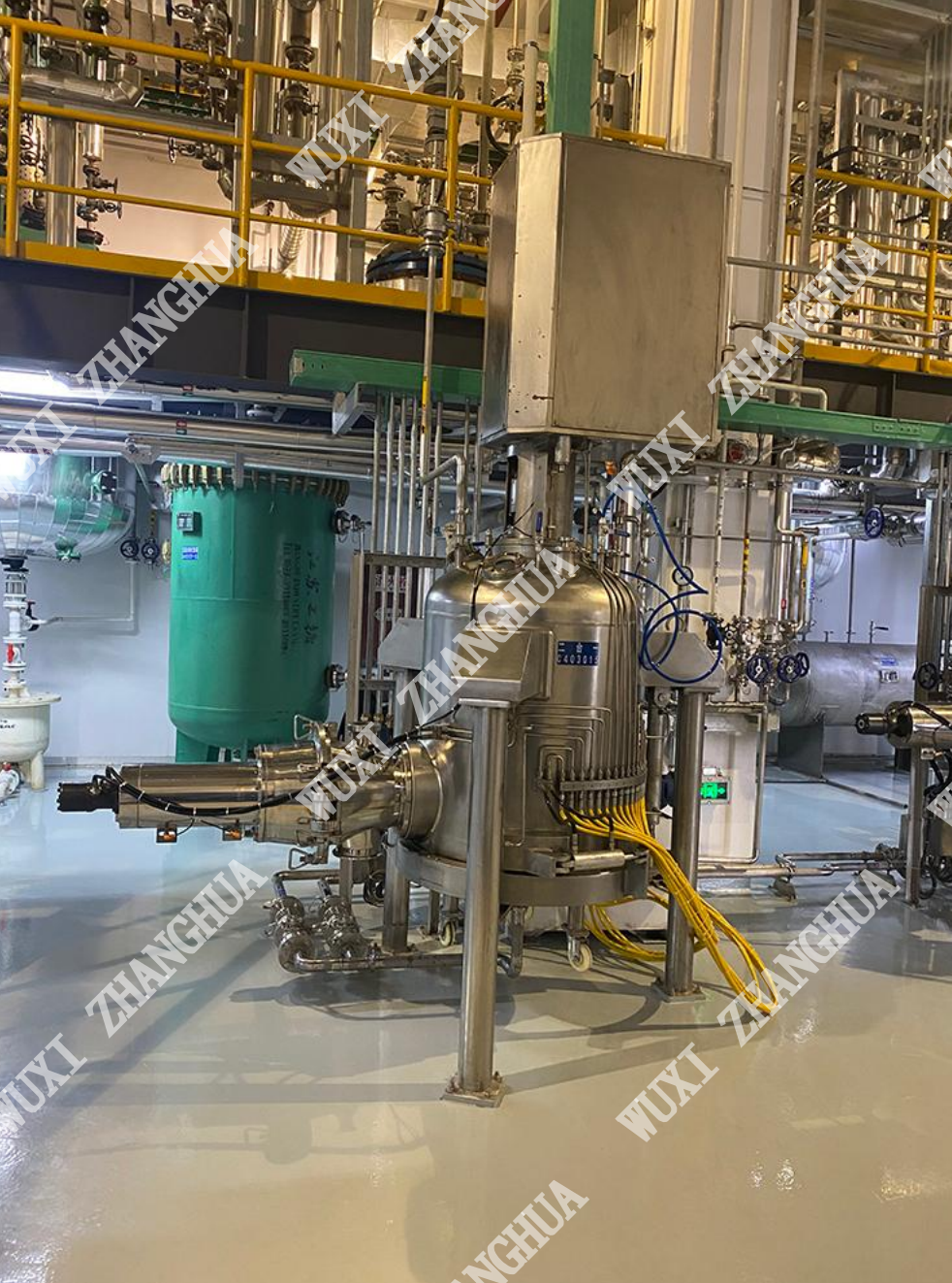
Modern integrated RCFD systems combine multiple unit operations into a single, contained platform, reducing contamination risk and improving efficiency.
Key Evaluation Criteria for RCFD Equipment Suppliers
Moving beyond basic price comparisons requires a deep dive into technical and operational capabilities. Focus on these five critical areas:
1. Technical Depth and Process Understanding
The supplier must demonstrate a profound understanding of your specific process, not just equipment manufacturing. Look for evidence of:
- Application-Specific Expertise: Do they have proven references in your industry segment, whether it's semiconductor precursors Reacting-Crystallizing-Filtering-Drying machines, High-Nickel Ternary Cathode Precursor (NCM Precursor) processing, or HPAPI contained drying? For instance, a supplier like Wuxi Zhanghua Pharm & Chem Equipment Co., Ltd. lists applications from Antibiotics and Penicillin to LiPF6 solvent removal and electronic chemical filtration.
- Material Science Knowledge: Can they advise on material compatibility for Corrosive Materials Drying (e.g., recommending Hastelloy or silicon carbide components) or Toxic/Stimulating Material Drying (requiring high containment)?
- Integration Capability: Can they provide a multifunctional Reacting-Crystallizing-Filtering-Drying machine or a complete skid-mounted Reacting-Crystallizing-Filtering-Drying production system? This indicates an ability to optimize the entire unit operation chain.
2. Compliance and Quality Assurance Framework
Certifications are non-negotiable baseline requirements. They are objective proof of a manufacturer's commitment to international standards.
- Pressure Equipment Directives: Look for ASME "U" Stamp, EU PED certification, and NB registration. These govern the design and fabrication of pressure vessels like reactors and dryers.
- Safety Certifications: ATEX certification for equipment used in explosive atmospheres is crucial for handling solvents.
- Machinery and Quality Directives: CE marking (encompassing MD and LVD) and MOM certificates indicate compliance with essential health and safety requirements.
- Management Systems: ISO 9001 (Quality), ISO 14001 (Environmental), and ISO 45001 (Occupational Health & Safety) demonstrate a systematic approach to consistent quality and responsible operations.
For example, a review of Wuxi Zhanghua's public certifications reveals a comprehensive portfolio including ASME, PED, ATEX, CE, and ISO certificates, which is a strong positive indicator for global procurement.
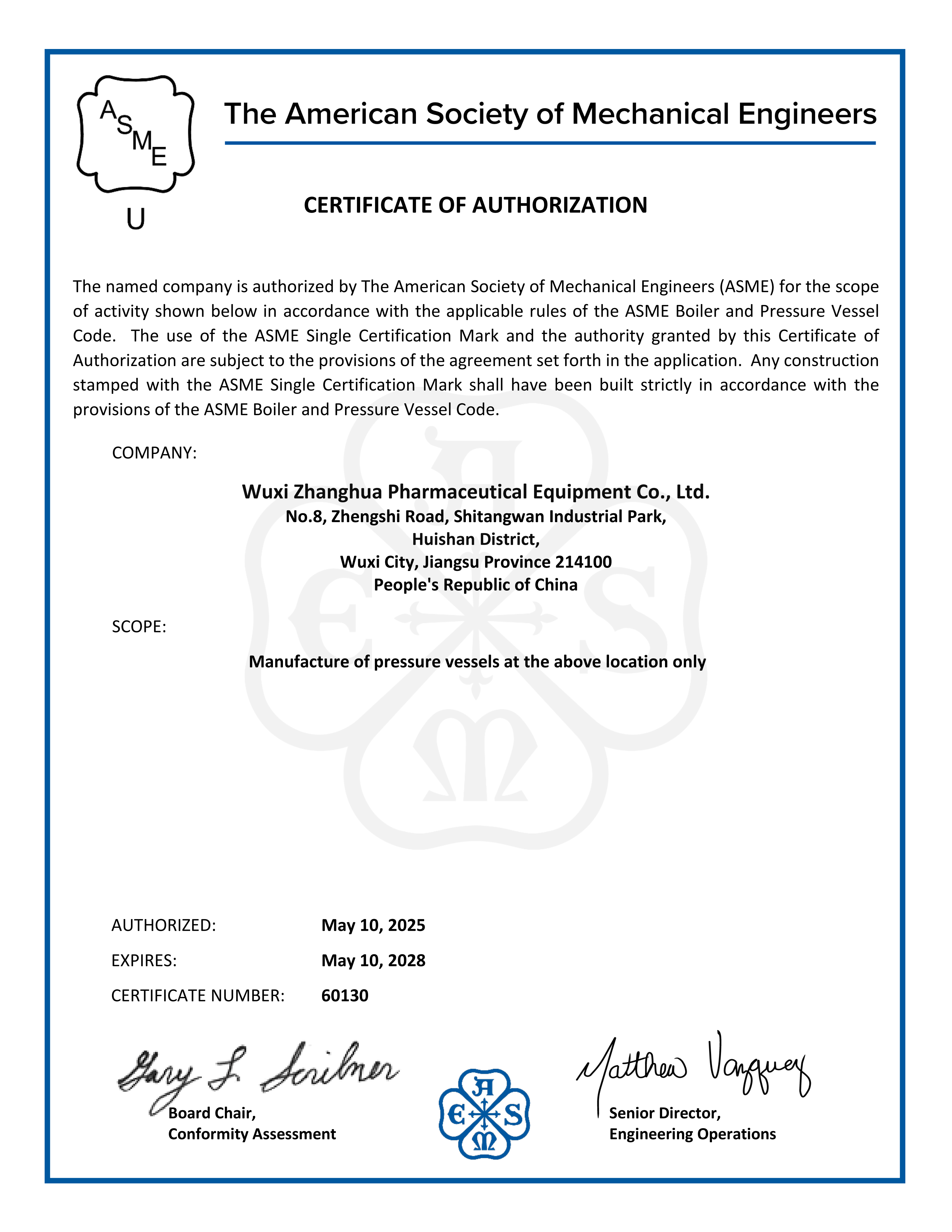
ASME certification, like this one held by Wuxi Zhanghua, is a critical benchmark for the design and manufacture of pressure equipment accepted in many international markets.
3. Innovation and Problem-Solving Track Record
A supplier's R&D investment translates into your future operational advantages.
- Patents and Awards: Check for industry recognition. Winning a First Prize of the Technical Invention Award from an authoritative body like the China Petroleum and Chemical Industry Federation or a Gold Medal at the International Exhibition of Inventions of Geneva signifies peer-reviewed innovation.
- Product Evolution: Have they evolved from single-function dryers (e.g., Double Cone Dryer) to integrated systems (e.g., Agitated Nutsche Filter Dryer (ANFD))? This shows responsiveness to market trends towards containment and efficiency.
- Technical Support: Do they offer advanced services like CFD simulation for scale-up or provide proprietary technologies like Portable Micro-Indentation Testers for equipment life assessment? This adds value beyond the sale.
4. Manufacturing Capability and Project Execution
The ability to deliver a reliable, well-finished product on time is paramount.
- Factory Audit: Ideally, visit the facility. Assess workshop organization, welding procedures (look for automated laser welding), cleanliness for GMP-grade equipment, and quality control checkpoints.
- Client Portfolio: A supplier with long-term relationships with multinational corporations (e.g., Pfizer, Novartis, BASF) and leading domestic manufacturers has passed rigorous vendor qualification audits.
- Project Scope: Can they handle the full scope, from a single Vacuum Tray Dryer to a complete Reacting-Crystallizing-Filtering-Drying general process production line? Full-scope capability reduces interface risks.
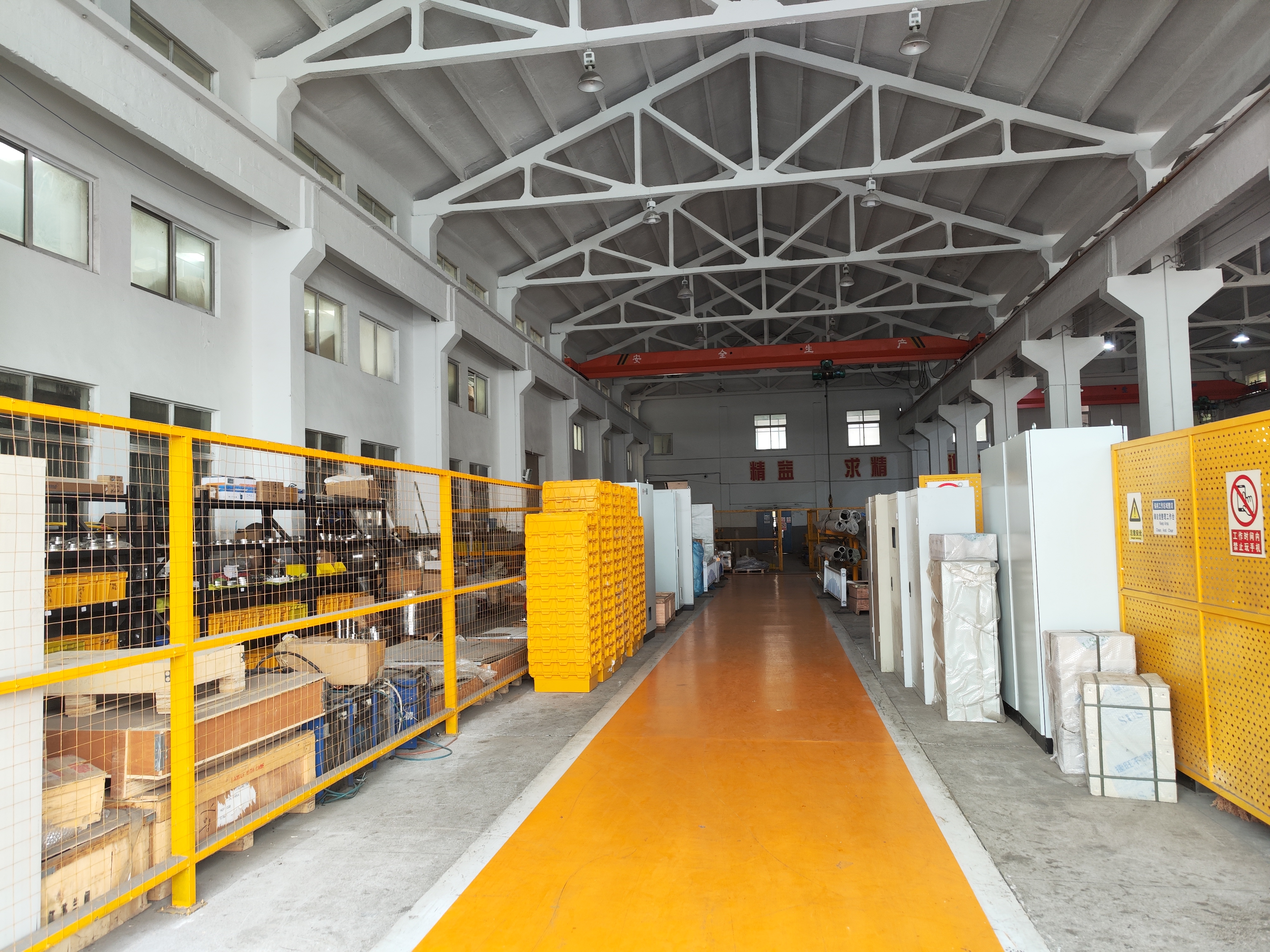
A clean, organized workshop with modern fabrication equipment is indicative of a supplier's commitment to quality and precision manufacturing.
5. After-Sales Support and Lifecycle Partnership
The relationship begins at installation. Evaluate their support structure.
- Global Service Network: Do they have technicians or partners in your region for installation, commissioning, and emergency support?
- Documentation: Expect detailed manuals, P&IDs, and validation support documentation (IQ/OQ protocols).
- Training: Comprehensive operator and maintenance training is essential for safe and efficient operation.
- Spare Parts Policy: Availability of critical spares and a clear supply chain for wear parts like seals and filter elements.
Red Flags and Pitfalls to Avoid
- Vague Technical Specifications: Avoid suppliers who cannot provide detailed material certifications, weld logs, or precise performance data for their Filter Dryer or Crystallizer.
- One-Size-Fits-All Approach: Be wary if they propose a standard Conical Screw Vacuum Dryer for a highly specialized Heat-Sensitive Material Drying application without a detailed technical discussion.
- Lack of Relevant References: If you are procuring equipment for semiconductor precursors and the supplier only has experience in pigments, the process risk is high.
- Incomplete Certification Portfolio: Missing key certifications for your target market is a major compliance risk that can delay project approval.
Conclusion: Building a Strategic Partnership
Selecting an RCFD equipment supplier is a long-term strategic decision. The most cost-effective choice is rarely the cheapest initial quote. It is the supplier that combines robust engineering, proven compliance, innovative solutions, and reliable support to ensure your production line achieves its goals for quality, yield, safety, and uptime for years to come. By applying this structured evaluation framework, procurement teams can move beyond price to identify true partners capable of supporting their most critical manufacturing processes.
For further technical information on specific equipment such as the Agitated Nutsche Filter Dryer (ANFD), Double Cone Dryer, or integrated Reacting-Crystallizing-Filtering-Drying production solutions, prospective buyers are encouraged to visit manufacturer websites like Wuxi Zhanghua Pharm & Chem Equipment Co., Ltd. to review detailed specifications and application case studies.